Music That Heals, Hope That Grows

Music therapy creates a powerful space for healing and self-expression. Through rhythm and melody, you can release emotions, reduce stress, and build resilience. Each note becomes a step toward greater balance, renewed hope, and a more fulfilling future.

What We Treat

Compassionate care for mental health, substance use, and co-occurring conditions to support lasting recovery.

LEARN MORE

Our Programs

Compassionate care tailored for teens and young adults to build resilience and lasting well-being.
LEARN MORE

Why Music Therapy Matters

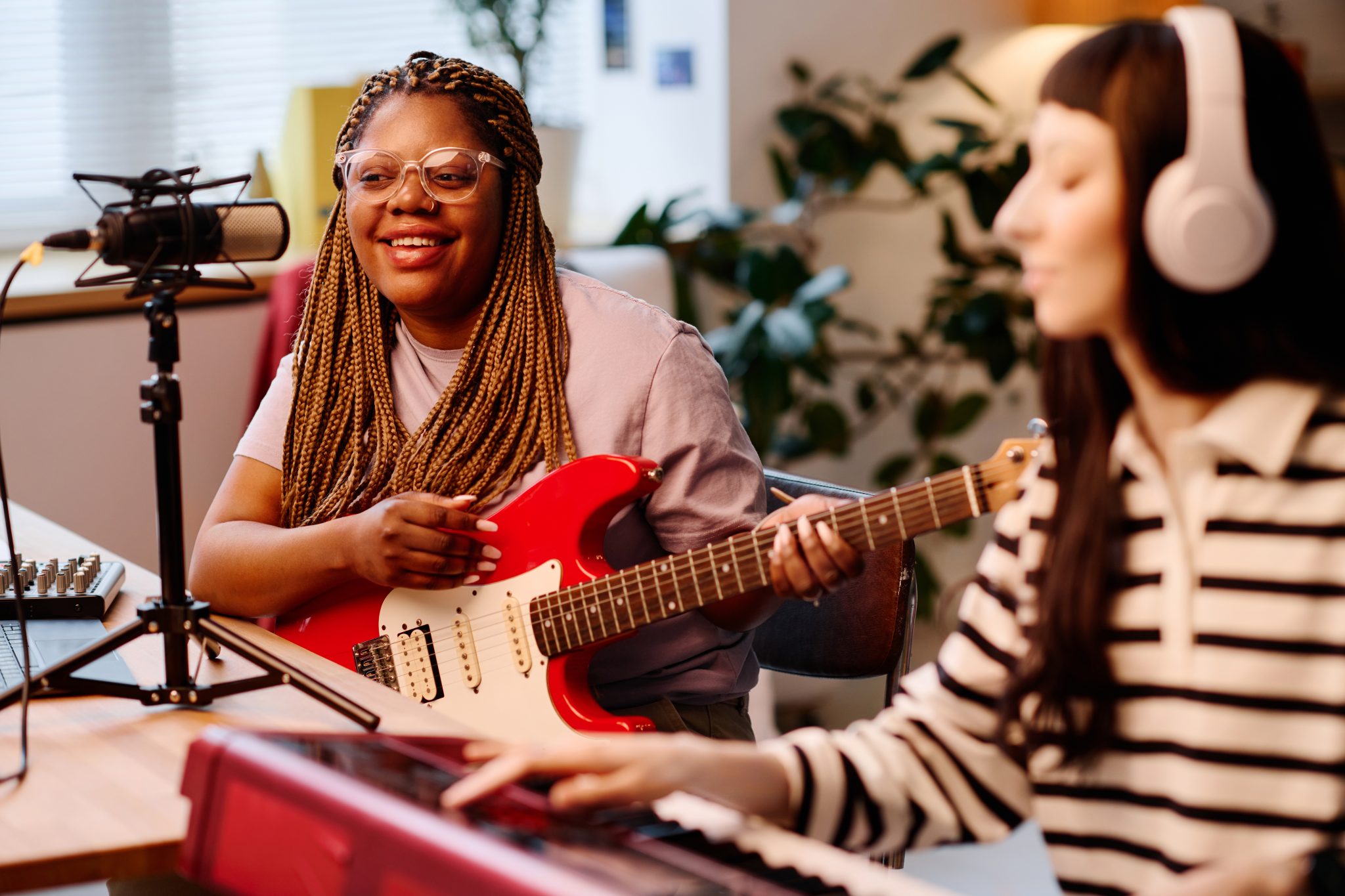
Music therapy uses the emotional and expressive qualities of music to promote healing, resilience, and emotional well-being, especially for teens aged 14 to 17. Through listening, creating, and performing music, adolescents can explore their feelings, express themselves non-verbally, and find relief from anxiety or depression. Music therapy is especially helpful for those who may find it challenging to articulate their emotions verbally, offering an alternative pathway to self-discovery and coping. This therapeutic approach allows teens to connect deeply with their inner world, develop emotional awareness, and experience the uplifting effects of rhythm, melody, and harmony.

What Our Music Therapy Program Offers

Our music therapy program includes a variety of creative activities designed to help teens express themselves and find therapeutic benefits through music:

  • Listening and Emotional Processing
    Teens are guided to listen to different types of music that reflect or influence their emotional state. This helps them process feelings, reduce stress, and connect with emotions in a supportive environment.
  • Songwriting and Lyric Exploration
    Writing lyrics and composing songs give teens a voice for expressing their thoughts and experiences. This activity promotes self-reflection, enhances creativity, and provides a powerful emotional outlet.
  • Instrument Play and Rhythm Exercises
    Teens engage in playing instruments or exploring rhythm exercises to channel energy, release tension, and experience the therapeutic effects of creating sound. No prior musical experience is required.
  • Guided Music Improvisation
    Improvisational exercises allow teens to experiment with sound and create music spontaneously. This activity fosters creativity, builds confidence, and helps teens feel more in control of their emotions.
  • Music and Mindfulness Techniques
    Music therapy includes mindfulness practices, such as focusing on the sound and rhythm of music, which helps teens relax, reduce anxiety, and become more present.

Healing Through Music

At Portum Behavioral Health, our music therapy program offers teens a safe, creative space to connect with themselves through the universal language of music. By integrating music into their therapeutic journey, we empower adolescents to explore their emotions, discover their strengths, and experience the joy and freedom of self-expression.

If you’d like to learn more about our music therapy program and how it can support your teen, please don’t hesitate to reach out.

Frequently Asked Questions

Music therapy helps teens explore and process emotions, manage stress, and express themselves nonverbally. It uses music as a tool for emotional healing and self-discovery.

Music therapy sessions typically last 45 to 60 minutes, allowing time for creative exploration and reflection. Sessions are tailored to each teen’s needs and comfort level.

No, prior musical experience is not required. Music therapy is about self-expression and emotional healing, not performance, so all teens are welcome to participate.

Music therapy activities may include listening to music, songwriting, playing instruments, and rhythm exercises. Each activity is chosen to support emotional growth and resilience.

Families can encourage teens to share their experiences in music therapy, celebrate their creative achievements, and listen to their musical creations with an open heart. Our therapists can also offer guidance on supporting this journey at home.

Yes, music therapy works well alongside other therapies, such as Cognitive Behavioral Therapy (CBT) or art therapy, providing a comprehensive approach to emotional healing.

APPOINTMENT

Make An Appointment

Reach out by filling out our online form for a private conversation with one of our caring treatment specialists. We’re here to help you explore your options and begin your journey to recovery.


INSURANCE

We work with most insurance carriers

Whenever You’re Ready, We’re Here.